
The 5 Types of Photos Every E-Commerce Product Page Needs
In e-commerce, your photos are your storefront. Customers can’t touch, try on, or test your product—so your images must do all the heavy lifting. High-quality, strategic photography builds trust, answers objections, and drives conversions.
If you want product pages that convert, here are the five essential types of photos every e-commerce listing should include.
1. The Clean “Hero” Shot

This is your first impression.
The hero shot is a high-resolution image of the product on a clean, distraction-free background (typically white or neutral). It’s the primary image customers see in search results and on your product page.
Best practices:
Use bright, even lighting
Show the full product clearly
Avoid heavy shadows or distracting props
Include multiple angles (front, back, side)
Your hero image should instantly answer: What is this product?
2. Close-Up Detail Shots
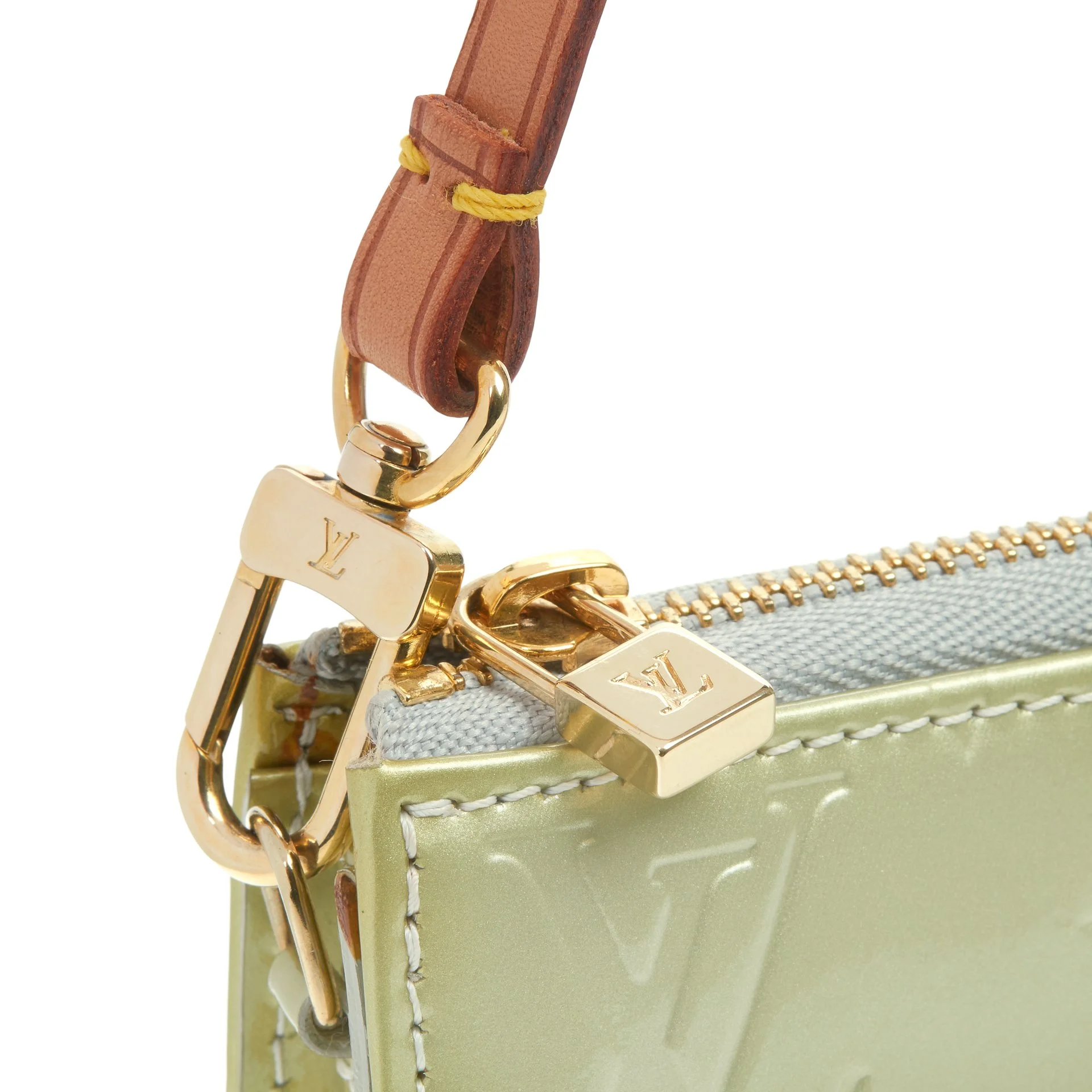
Customers want proof of quality.
Detail shots zoom in on textures, stitching, materials, buttons, finishes, or unique design elements. These images help shoppers assess craftsmanship and justify the price.
What to highlight:
Fabric texture or material grain
Seams and stitching
Hardware or fasteners
Logos or special features
Think of this as replacing the in-store experience of picking something up and inspecting it.
3. Lifestyle Photos

Lifestyle images show your product in action.
Instead of just showing what the product looks like, lifestyle shots demonstrate how it fits into real life. They help customers imagine themselves using it.
For example:
Clothing worn by a model in a natural setting
Kitchenware shown in a styled kitchen
Tech accessories on a desk setup
Skincare used in a morning routine
Lifestyle photos answer: How will this improve my life?
They also create emotional connection—which is often what drives purchases.
4. Scale & Size Reference Photos
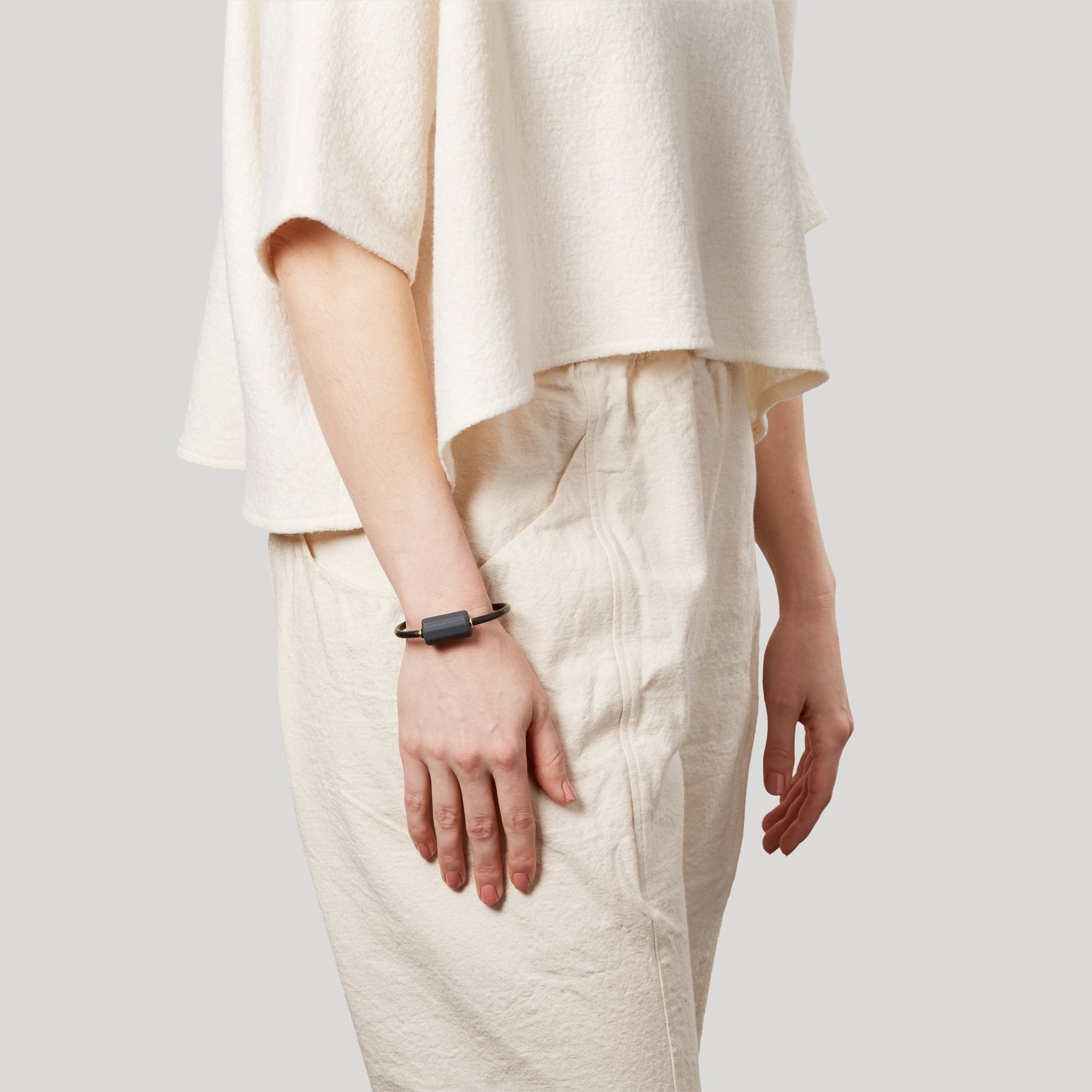
One of the biggest reasons for returns? Incorrect expectations about size.
Show your product:
In someone’s hand
Next to common objects (phone, laptop, coffee mug)
Worn by models with height noted
With dimension overlays if helpful
Even if you list measurements, most people don’t visualize dimensions accurately. A visual comparison removes doubt and reduces returns.
5. Feature or Benefit Callout Images
These are images enhanced with text overlays that highlight key features or benefits.
Examples:
“Waterproof up to 30 meters”
“100% organic cotton”
“Lifetime warranty”
“Battery lasts 48 hours”
These images combine visual appeal with quick, scannable information. They’re especially effective for mobile users who skim rather than read long descriptions. Keep overlays clean and minimal—don’t clutter the image.
In Conclusion
A high-converting product page isn’t about having more photos—it’s about having the right photos.
To recap, your product page should include:
A clean hero shot
Close-up detail images
Lifestyle photos
Scale reference shots
Feature callout visuals
When done well, your images won’t just show the product—they’ll sell it. And if you’re looking for boutique photo services - Amy’s got you covered. She works with clients all over the US creating clean and cohesive product images that build brand trust and increase conversion rates. Click the link below to start the process with a custom quote.