
White Background vs. Lifestyle: Which Performs Better in 2026?
When it comes to product photography, one debate never seems to go away: white background or lifestyle imagery? If you’re selling online—whether on your own site, marketplaces, or social media—your product photos directly influence clicks, engagement, and conversions. But which style actually performs better?
The short answer? It depends on your platform, product, and goal. Let’s break it down.
What Is White Background Photography?
White background photography features a product shot against a clean, plain white backdrop. Think of the classic look used by Amazon for its product listings.
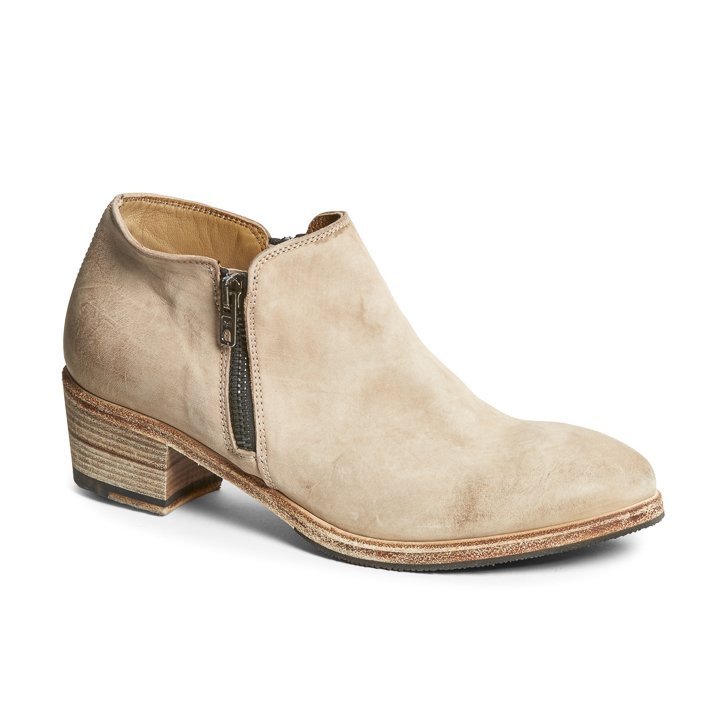
Why Brands Use It
Clean and distraction-free
Marketplace-compliant
Highlights product details clearly
Easy to repurpose across platforms
Feels professional and standardized
Performance Strengths
White background images perform exceptionally well when:
Customers are comparison shopping
The platform requires it (like Amazon or Walmart)
The product’s features and specifications matter most
They reduce friction. There’s no visual noise—just the product and its details.
What Is Lifestyle Photography?
Lifestyle photography shows your product in real-life scenarios. Instead of floating on white, it’s being used, worn, held, or styled in context.
Think of how brands showcase products on Instagram or Pinterest.
Why Brands Use It

Creates emotional connection
Demonstrates real-world use
Elevates perceived value
Strengthens brand identity
Drives social engagement
Performance Strengths
Lifestyle images often perform better when:
Selling premium or aesthetic-driven products
Marketing through social media
Building a brand (not just listing a product)
They help customers imagine themselves using the product—which can dramatically improve conversions.
So… Which Performs Better?
Here’s where it gets interesting.
On Marketplaces
White background usually wins.
Platforms like Amazon prioritize clarity, compliance, and quick comparison. Customers want to zoom in, check details, and move on.
On Social Media
Lifestyle almost always performs better.
On platforms like Instagram, people scroll for inspiration—not product specs. Emotional imagery stops the scroll.
On Your Website
The best-performing stores use both strategically:
White background for product pages and thumbnails
Lifestyle for banners, galleries, and ads
The Real Answer: It’s Not Either/Or

High-performing brands don’t choose one. They use both—at the right time, in the right place.
White background builds trust and clarity.
Lifestyle builds desire and connection.
When combined, they:
Increase time on page
Improve add-to-cart rates
Strengthen brand perception
Boost overall conversions
A Simple Strategy That Works

If you’re optimizing your product photography, try this formula:
Main image: White background
Second image: Lifestyle hero shot
Additional images: Mix of detail shots + contextual use
Ads & social: Lifestyle-forward
This approach gives customers both logic (details) and emotion (aspiration).
In Conclusion
The question isn’t “Which performs better?” It’s “Where and how are you using it?” White background photography converts shoppers. Lifestyle photography converts audiences. When used together strategically, they convert both.
In the end, the smartest strategy is dividing and conquering. Let Storefront Studios handle the clean, compliant, market-facing white background images that keep your listings polished and optimized—so you can focus your energy on the creative, scroll-stopping lifestyle content that builds your brand and connects with your audience. When your foundational product photography is taken care of, you’re free to lean into storytelling, aesthetic, and social growth with confidence.